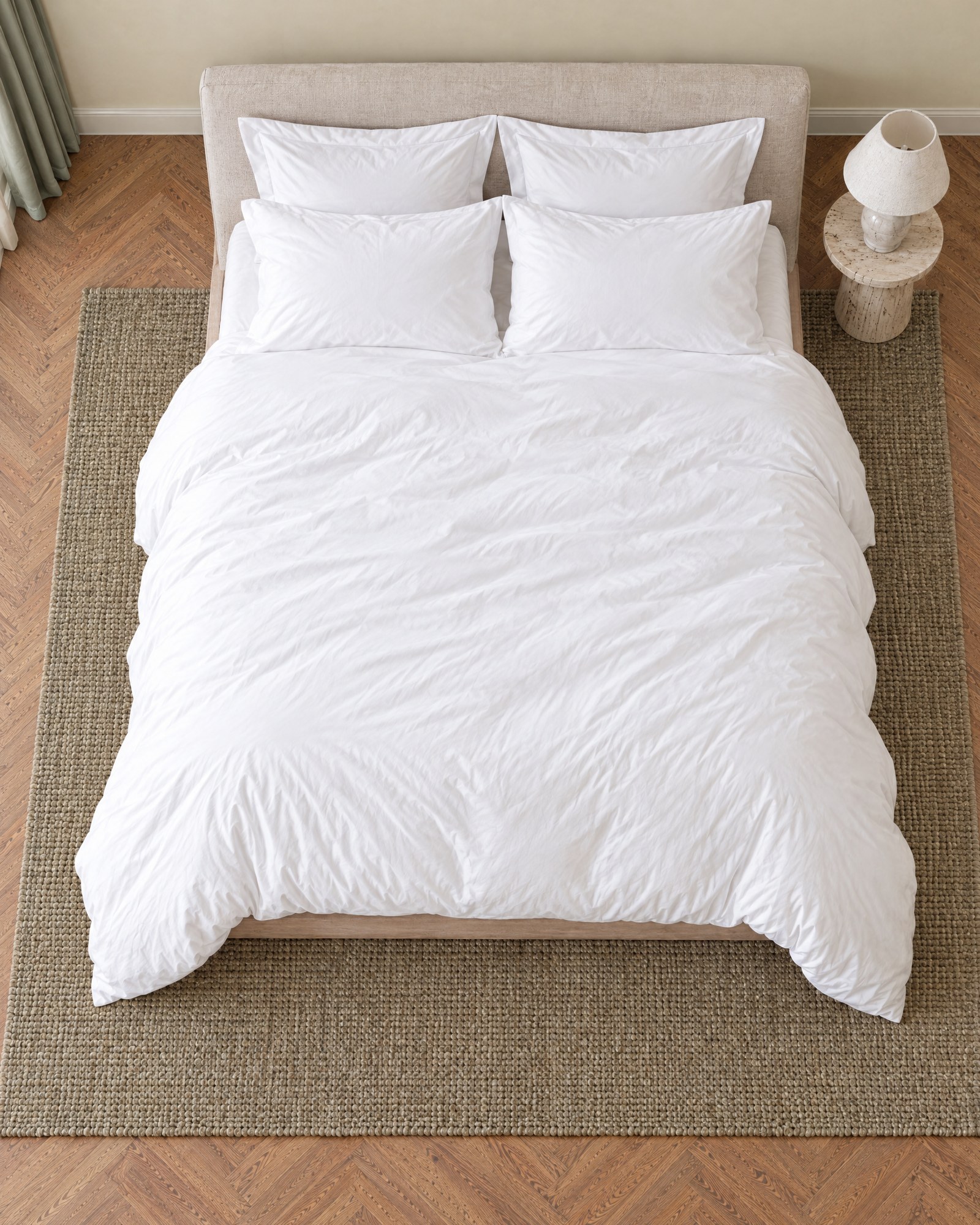
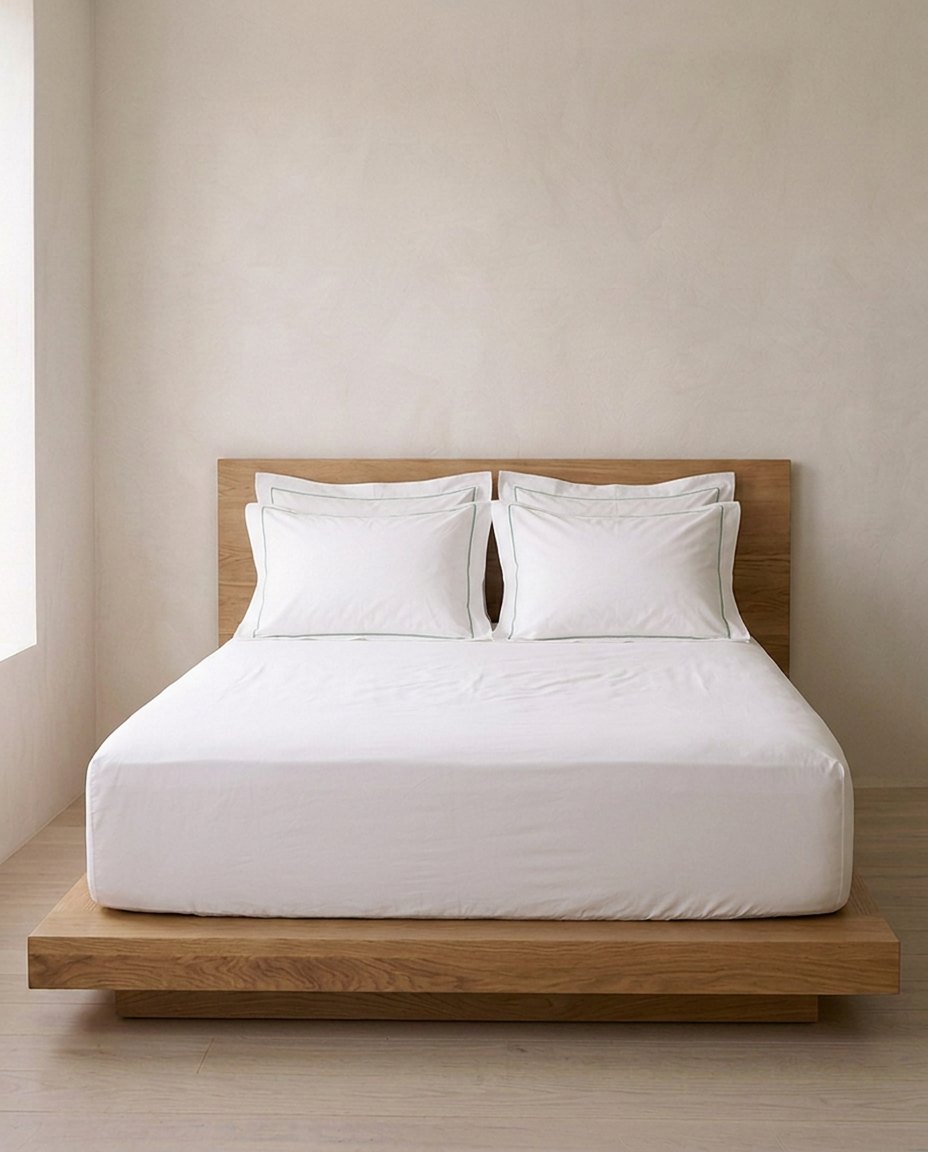
Five Things to Know Before You Buy Winter Bedding
How to choose bedding for a cold room: layers, weight, warm and cool sleepers, and washing in winter. A short guide from My Bedclothes.
4 minute read
By Tara Kemble-Clarkson
Published
Updated
In this guide (8 sections)
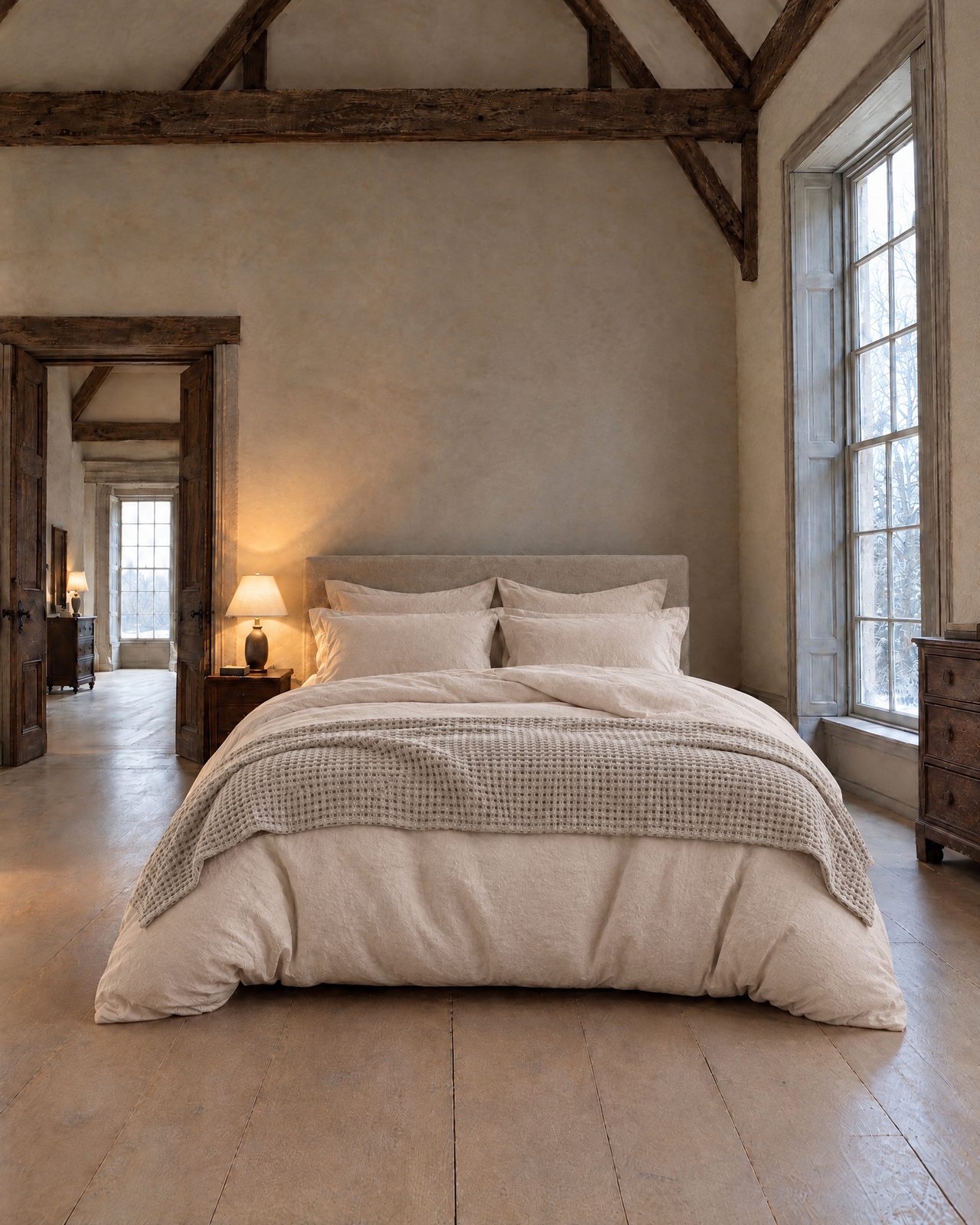
As nights grow colder, we often grab heavier bedding. It seems like the easy choice. However, the warmest beds are well-layered, not just heavy.
Here are five things to know before buying winter bedding.
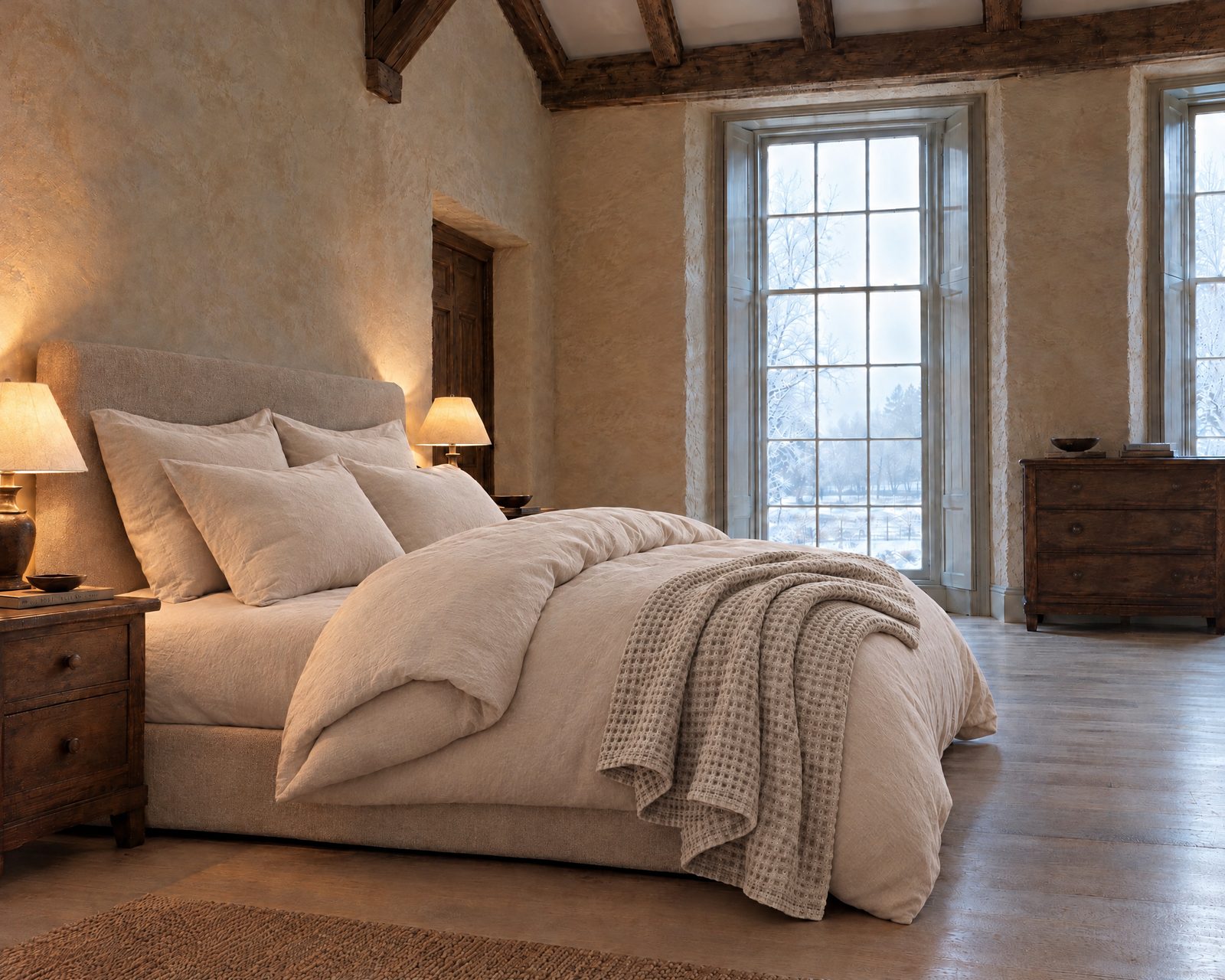
Warmth Comes from Layers, Not Weight
Warmth in bed comes from still air. Each layer traps air between you and the cold room: a sheet, duvet cover, duvet, and a blanket. Think of a robin on a frosty morning. It doesn’t grow heavier feathers; it fluffs up its existing ones.
Before buying something thicker, try adding a layer. A light blanket at the foot of the bed can often keep you warmer than a heavier duvet.
Know Whether You Sleep Warm or Cool
This is important year-round. If you wake up throwing off the covers, you sleep warm. You’ll want cool-feeling fabrics, like crisp cotton percale or our breathable Classic Organic Cotton, which is GOTS certified organic. If you’re the one with cold feet and a hot water bottle, you sleep cool. Softer fabrics that feel warm will suit you better.
Many couples have one of each. Layers help here too: a blanket on one side saves a lot of negotiation.
Weight Is Not the Same as Warmth
You'll often see GSM on bedding labels. It stands for grams per square metre, showing fabric weight, not warmth. Our Soft Cotton Cashmere is woven at 100 GSM, which is light, like your favourite T-shirt. It feels warm due to its material, not its weight.
If you like feeling tucked in without being pinned down, look for a light, soft fabric. Let the layers do the rest.
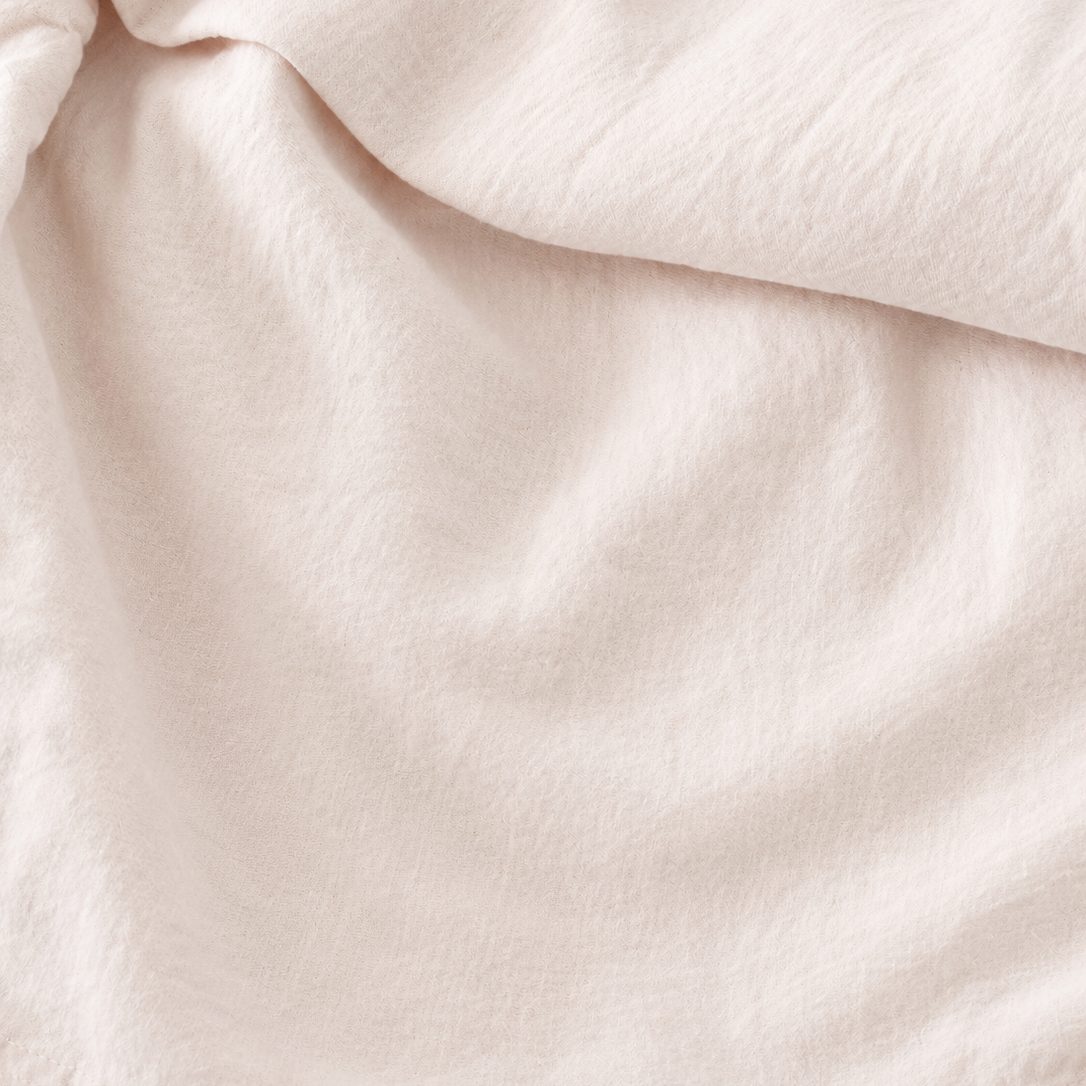
Soft on the First Night Matters
Some bedding takes time to soften. In winter, when getting into a cold bed is tough, it helps if sheets feel good from the start. Ask how a fabric feels new, not just how it will feel later.
Think About Washing and Drying in Winter
Winter makes drying bedding harder. Heavy sheets can take a day or more to dry in a cool house. Lighter fabrics dry much faster. Our cotton cashmere is air dry only, but it dries quickly due to its lightness.
Having two sets is also wise, so one is always clean while the other dries.
The Winter Bed
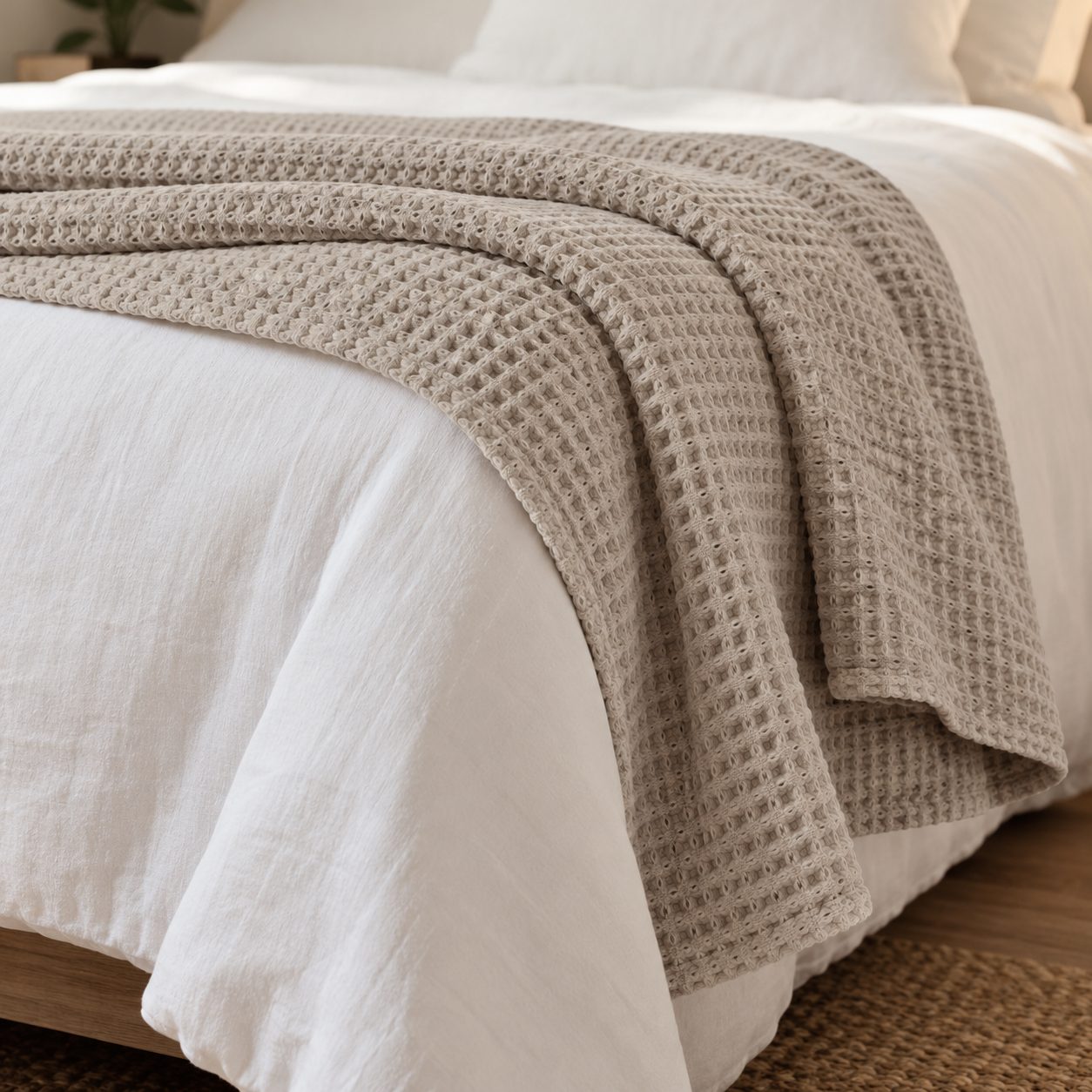
We combine all this into one bed. The Winter Bed is our Serein set in Soft Cotton Cashmere: a duvet cover, deep fitted sheet, flat sheet and a pair of Oxford pillowcases. It’s light and soft from the first night, made in Guimarães, northern Portugal, and certified to OEKO-TEX® STANDARD 100.
The Winter Bed is in stock, with free UK delivery, and you can try it for 30 nights.
Great Sheets That Do Good
Every order helps us make bedding for children who need it, through our giving partners Sleep Patrol and Zarach. Every child deserves a bed that feels like home.
For the Horizontal Life.
FAQ
What makes bedding warm in winter?
Layers trap still air. A light sheet, duvet cover, duvet, and blanket keep you warmer than one heavy layer.
What does GSM mean on bedding?
Grams per square metre. It measures fabric weight, not warmth.
What bedding suits a cool sleeper?
A soft fabric that feels warm when you get in, like cotton with a touch of cashmere, plus a blanket for cold nights.
How do I dry bedding in winter?
Lighter fabrics dry faster on an airer. Our cotton cashmere is air dry only and dries quickly due to its lightness.